Outdoor spaces can become more functional, inviting, and visually appealing when they include thoughtfully planned permanent features. Patios, walkways, retaining walls, fire pits, seating areas, and decorative borders all help organize a yard while supporting everyday activities. These elements can define how people move through the property, where they gather, and how different areas connect. With the right design, homeowners can create an outdoor setting that feels like a natural extension of the home rather than an unfinished space.
Well-planned hardscaping also provides long-term value by improving usability and reducing maintenance in selected areas. A well-designed landscape can boost a home's resale value by an average of 15% to 20%, according to Bankrate. While plants and lawns remain important, durable surfaces and built features create structure that helps the entire landscape feel more polished. By selecting materials and layouts that complement the home, homeowners can upgrade outdoor spaces in ways that support both daily enjoyment and future resale appeal.
Creating a Welcoming Patio Area
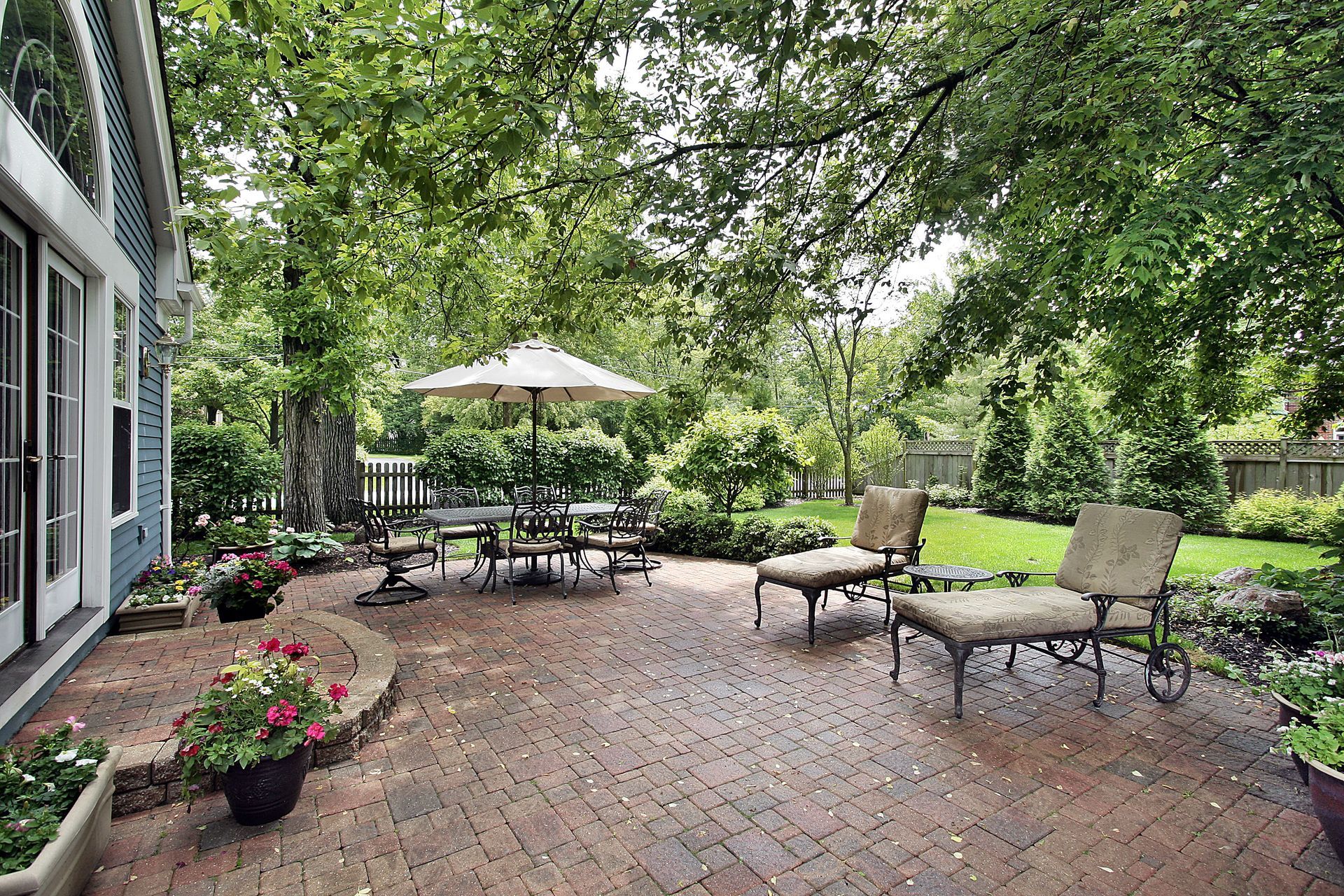
A patio can serve as the central gathering space for dining, relaxing, entertaining, and spending time outdoors. Materials such as concrete pavers, natural stone, brick, and poured concrete offer different appearances and maintenance needs. The best choice depends on the home’s architecture, the surrounding landscape, and how the space will be used. A compact patio may support a small table and chairs, while a larger area can accommodate multiple seating zones, an outdoor kitchen, or a dining set.
Thoughtful placement makes the patio more comfortable and practical. Locating it near a kitchen or back entrance can simplify outdoor meals, while adding partial shade may make the area more usable during warmer months. Built-in borders, planters, and lighting can further define the space. Professional hardscaping can also address grading and drainage so water moves away from the home and does not pool beneath furniture or along walking surfaces.
Adding Defined Walkways and Paths
Walkways create clear routes between entrances, patios, gardens, driveways, pools, and other frequently used areas. They help protect lawns from repeated foot traffic and make it easier to move through the yard during wet or muddy conditions. Straight paths often create a formal, direct appearance, while gently curved routes can feel more relaxed and natural. Pavers, flagstone, gravel, and brick are common options that can be selected to match nearby features.
Path width and surface texture should reflect how each route will be used. A main walkway should be wide enough for comfortable side-by-side movement, while a narrow garden path may be designed for occasional access. Proper edging helps keep materials in place and prevents grass or soil from spreading onto the path. As part of a well-planned hardscaping design, lighting placed along key routes can improve visibility after dark while highlighting the shape and design of the landscape.
Building Functional Retaining Walls
Retaining walls can help manage sloped properties by holding soil in place and creating more level, usable sections. They may reduce erosion, improve drainage control, and support terraces for planting beds, lawns, or seating areas. Depending on the design, homeowners can choose concrete blocks, natural stone, brick, or other durable materials. The wall’s height, location, and load requirements should be carefully evaluated to ensure it performs safely and effectively.
Beyond their structural purpose, retaining walls can become attractive focal points. Coordinating wall materials with patios, steps, or walkways creates a more unified appearance across the property. Some walls can also incorporate built-in seating, planters, or lighting. When hardscaping is designed with both function and appearance in mind, a necessary support feature can become one of the most distinctive elements in the yard.
Installing an Inviting Fire Feature
A fire pit or outdoor fireplace can make a backyard feel more comfortable and welcoming during cool evenings. These features naturally encourage conversation and can serve as gathering points for family and guests. Homeowners may choose a permanent wood-burning fire pit, a gas-powered model, or a larger masonry fireplace. The appropriate option depends on available space, local requirements, fuel preferences, and the desired level of maintenance.
Safety and surrounding layout are essential when planning a fire feature. It should be positioned away from structures, low branches, fences, and combustible materials. Nonflammable surfaces around the feature can provide stable seating areas and help define a safe boundary. Built-in benches or movable chairs may be arranged to support conversation without crowding the fire. Adding low-voltage lighting nearby can improve visibility while preserving the warm atmosphere.
Designing Comfortable Built-In Seating
Built-in seating can make patios, retaining walls, and gathering areas more efficient by providing permanent places to sit without filling the space with furniture. Seat walls are especially helpful around fire pits, patios, and garden overlooks. They can follow the edge of a paved area, provide extra seating during gatherings, and visually separate one outdoor zone from another. Materials can be coordinated with other masonry features for a consistent appearance.
Comfort should remain a priority when determining seat height, depth, and location. Cushions can soften masonry surfaces, while nearby shade structures or trees can make seating more pleasant during sunny weather. Built-in seating may also include storage compartments, planters, or integrated lighting. Careful hardscaping allows these practical additions to blend into the overall design rather than looking like separate or unnecessary structures.
Defining Spaces With Decorative Borders
Decorative borders help separate lawns, planting beds, walkways, patios, and gravel areas. This visual definition makes the landscape appear organized while helping contain mulch, stone, and soil. Borders can be created with brick, stone, concrete curbing, metal edging, or coordinated pavers. Repeating materials already used elsewhere on the property can connect different areas and create a more cohesive design.
Border shapes can also influence the overall character of the yard. Straight lines often complement modern or formal homes, while curved edges may suit traditional or naturalistic landscapes. Raised borders can add dimension and make planting beds more noticeable, while flush edging creates a subtle transition between materials. In addition to improving appearance, well-installed borders can simplify mowing and reduce the amount of trimming required around beds and paved surfaces.
Enhancing the Yard With Outdoor Steps
Outdoor steps improve access across changes in elevation and can make sloped yards safer to navigate. They may connect a deck to a patio, lead from a driveway to an entrance, or provide access between terraced areas. Stone, concrete, brick, and pavers can all be used to create steps that coordinate with the surrounding landscape. Consistent tread depth and riser height are important for comfortable movement and a professional finished appearance.
Steps can also serve as architectural features when they are wide, carefully positioned, and paired with attractive plantings or walls. Lighting installed along risers, railings, or nearby edges can improve nighttime safety without overwhelming the design. Professional hardscaping helps ensure that steps are properly supported, aligned, and integrated with drainage patterns. This attention to detail can transform a difficult grade change into a polished transition between outdoor spaces.
Upgrading an outdoor area does not always require changing the entire property at once. A well-placed patio, defined walkway, retaining wall, fire feature, built-in seating area, decorative border, or set of outdoor steps can make a noticeable difference in how the yard looks and functions. Even one carefully selected improvement can encourage more frequent outdoor use and make the property feel better suited to the homeowner’s lifestyle. The most successful projects combine durable materials, thoughtful layouts, proper drainage, and features that complement the home’s architecture. With professional hardscaping, homeowners can create organized and enjoyable spaces that support relaxation, entertainment, and everyday movement. To begin planning an outdoor upgrade tailored to your property, contact Spana Contractors, LLC.